La politique environnementale de TELT
TELT has appointed an Environmental Coordinator to ensure unified environmental management across all its construction sites. The Lyon-Turin project is a major lever for the ecological transition: it will enable a significant proportion of freight traffic to be transferred to rail, removing up to one million heavy goods vehicles a year from Alpine roads and reducing emissions by almost one million tonnes of CO2.
Reducing pollutant emissions in the Alpine arc is one of the main objectives set by the European Commission. From design to construction, the cross-border section has been the subject of in-depth environmental impact studies, in compliance with French and Italian standards. The companies are subject to strict requirements, monitored by the relevant authorities, with regular follow-up by TELT.
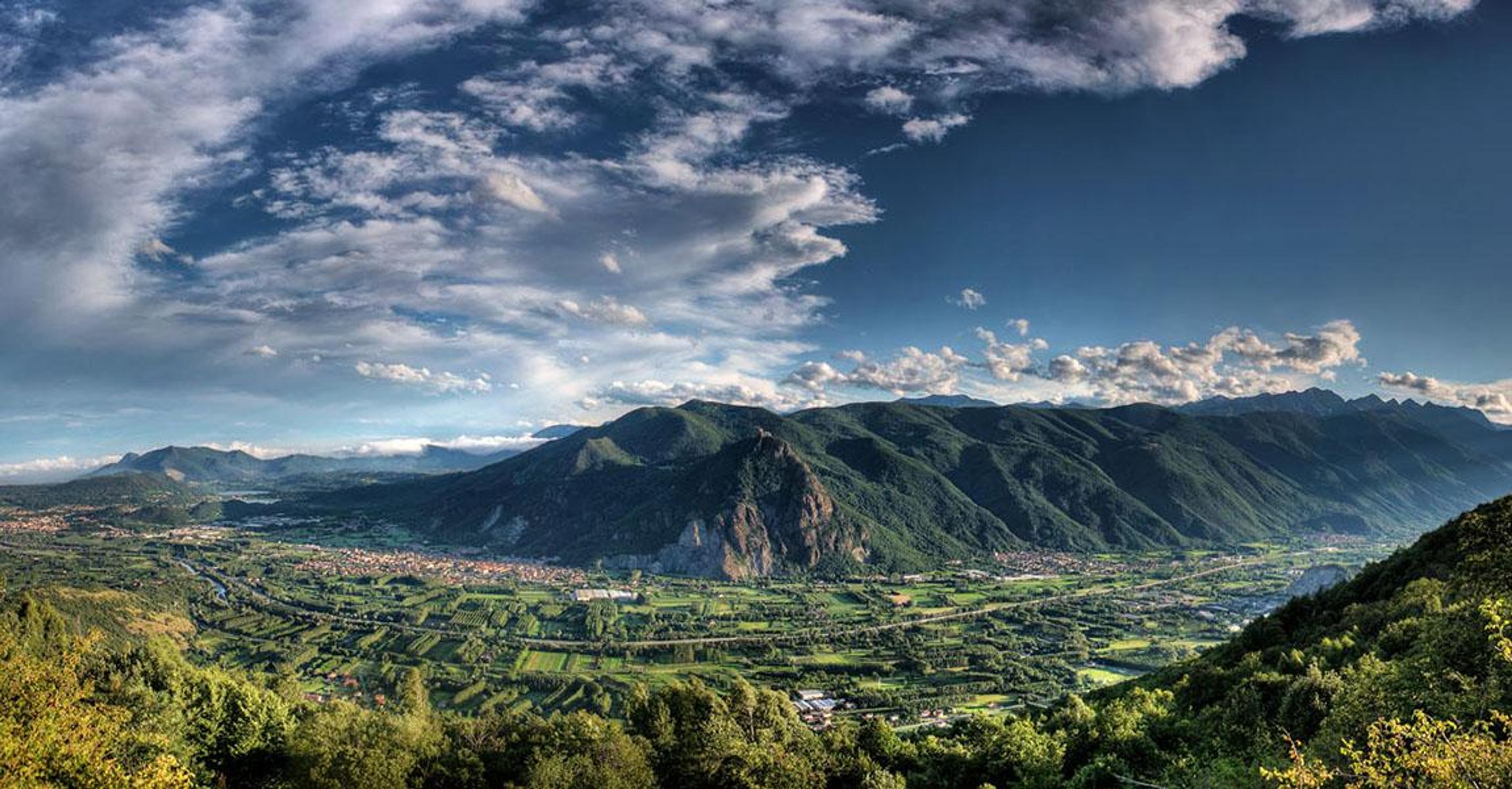
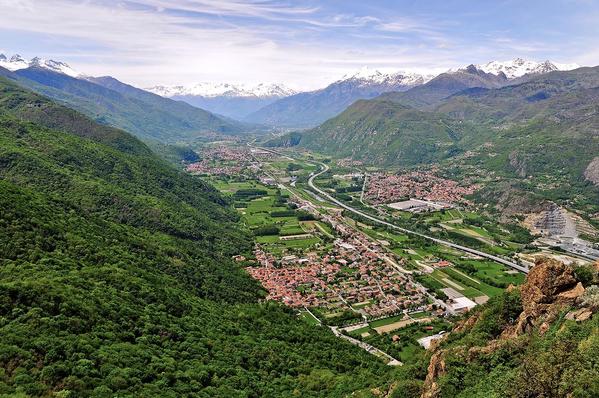
Designed to protect the Alpine valleys of Maurienne and Susa, the Mont Cenis base tunnel is fully in line with the decarbonisation objectives of the European Green Deal and the sustainable reduction of emissions in the Alpine arc.
Discover the interactive map of the offset construction sites
TELT’s fundamental principles
TELT is committed to carrying out its mission in an environmentally friendly way, with objectives that are both ambitious and realistic. Since 2018, a joint environmental policy for France and Italy has ensured that all levels of the organisation and partner companies comply with the same environmental protection criteria. TELT has been ISO 14001 certified since 2017 for the environmental management of its head offices and construction sites.
With its Integrated Quality Management System, TELT has defined the following principles:
Regulatory compliance
Comply with applicable laws and regulations
Transparency and regional cooperation
Communicate and cooperate fully with the relevant authorities and organisations
Internal environmental responsibility
Encourage every level of the organisation to take action to protect the environment
Management of environmental impacts
Analyse and reduce the impact of our activities on the environment
Involvement of partner companies
Involve service providers so that they adopt the same environmental standards
Continuous performance improvement
Continuously improve the effectiveness of the environmental management system with performance monitoring tools
These principles are translated into of specific objectives, applied throughout our organisation and involving our stakeholders.
Environmental monitoring of construction sites
TELT implements harmonised monitoring systems on both sides of the border, based on its environmental policy.
These systems ensure proactive and systematic management, aimed at preventing environmental impacts and limiting the disturbances caused by the works.
The approach is identical in France and Italy, but adapted to the regulatory requirements and the local environmental context.
Plus d’articles sur le sujet
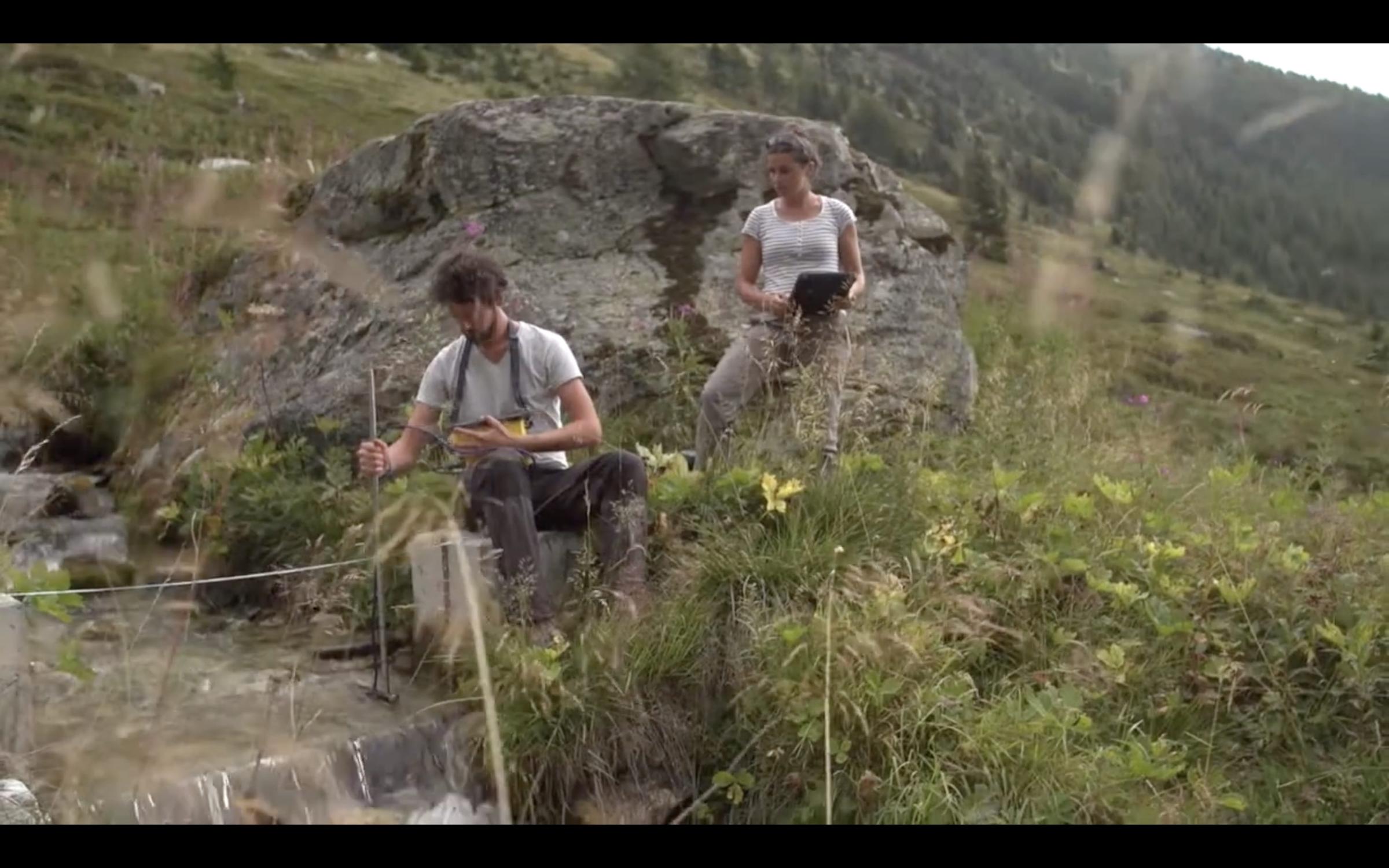
Water, a resource to be protected
TELT pays particular attention to the preservation of water, a cornerstone that has guided the entire design of the cross-border section of the Lyon–Turin rail link.
TELT’s water protection strategy is based on three pillars:
- Mapping, monitoring of water sources and understanding of the hydrogeological structure during the design phase;
- Environmental monitoring during the construction phase;
- Responsible use of resources on construction sites.
In-depth knowledge of groundwater resources
Since the study phase, the springs and aquifers in the "vast zone" have been monitored in both France and Italy using numerous piezometers and small wells for periodic water sampling.
Responsible water management on construction sites
As part of its circular economy strategy, TELT optimises its water use:
Geothermal energy: an opportunity
TELT harnesses geothermal heat from tunnels for sustainable uses:
Actions implemented
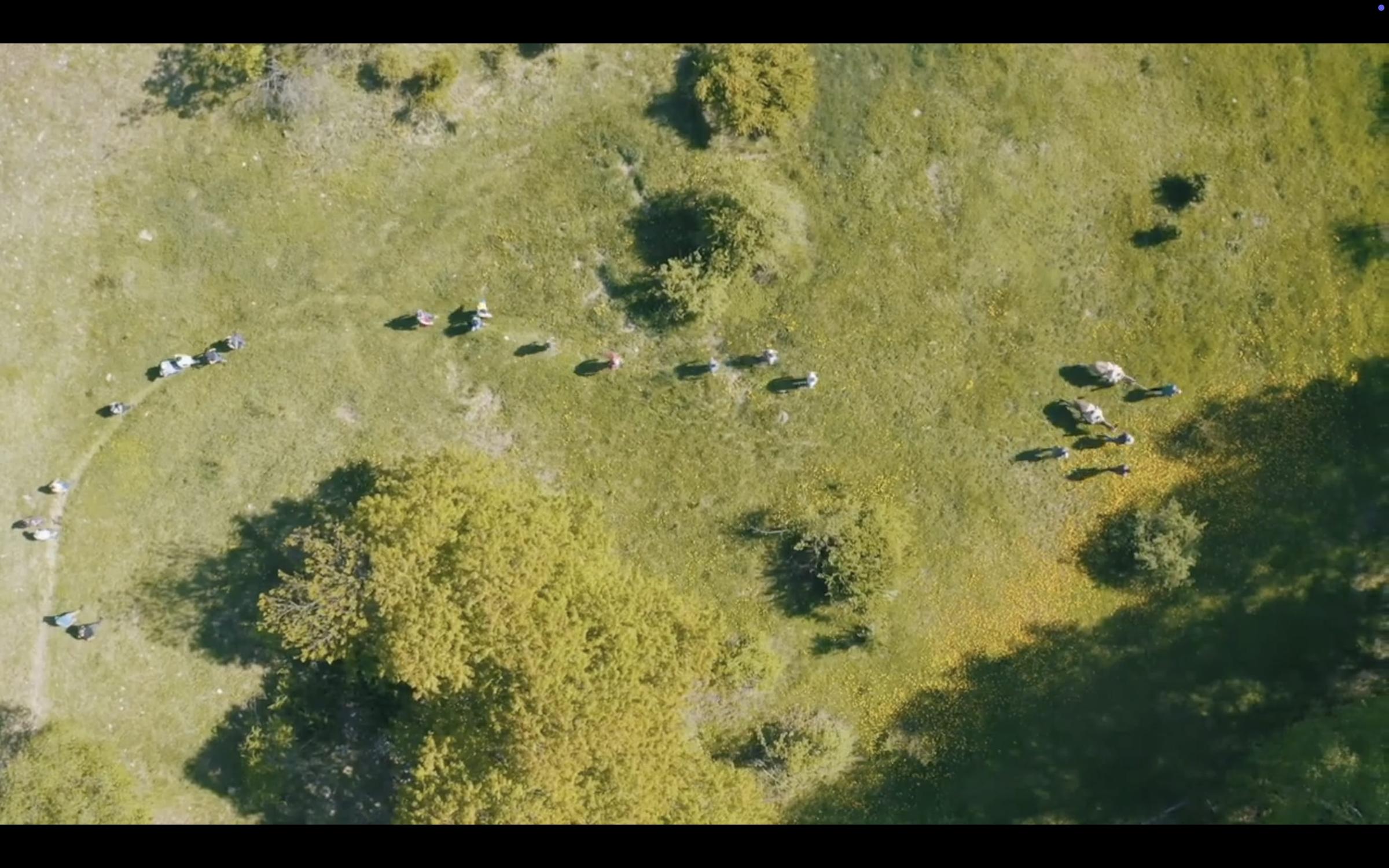
Saving the fauna and flora of #Maurienne
In line with the objectives set out in its environmental policy, TELT pays constant and close attention to the ecosystems traversed by the works, committing to causing no harm to the conservation status of Alpine biodiversity. TELT is implementing an extensive programme of research and measures to protect protected species and habitats.
Biodiversity actions in France
TELT is implementing more than twenty measures in favour of protected species, totalling approximately:
- 70 hectares of "open shrub" ecosystems
- 60 hectares for forest ecosystems
- 1 network of habitats favourable to amphibian reproduction in the valley.
The measures implemented are designed to make the construction sites more attractive to protected species, thereby promoting local biodiversity and adding ecological value to the areas concerned and their surroundings. TELT furthermore ensures the conservation of these facilities through construction plans that directly involve local stakeholders over a minimum period of 30 years. The entire project is being carried out in accordance with the Global Compact's Principles and Objectives for Sustainable Development.
From commitments to actions
Starting with the 2018 Corporate Social Responsibility Report, TELT outlines its actions aimed at constructing the railway tunnel in accordance with international sustainable development guidelines, delivering positive economic, social and environmental impacts for all stakeholders. The Group's procurement strategy and management of competition support this objective by ensuring that the best operators take part in calls for tenders and by requiring suppliers, through TELT’s code of ethics and procurement policy, to comply strictly with rules on staff, safety, the environment and the fight against corruption.
In addition, TELT promotes local economic impact through the “Grand Chantier” initiative in France and the “Pact for the Territory” in Italy. On 30 July 2025, TELT submitted its first COP, an annual report designed to inform stakeholders of the progress made with regard to the Ten Principles of the United Nations Global Compact.